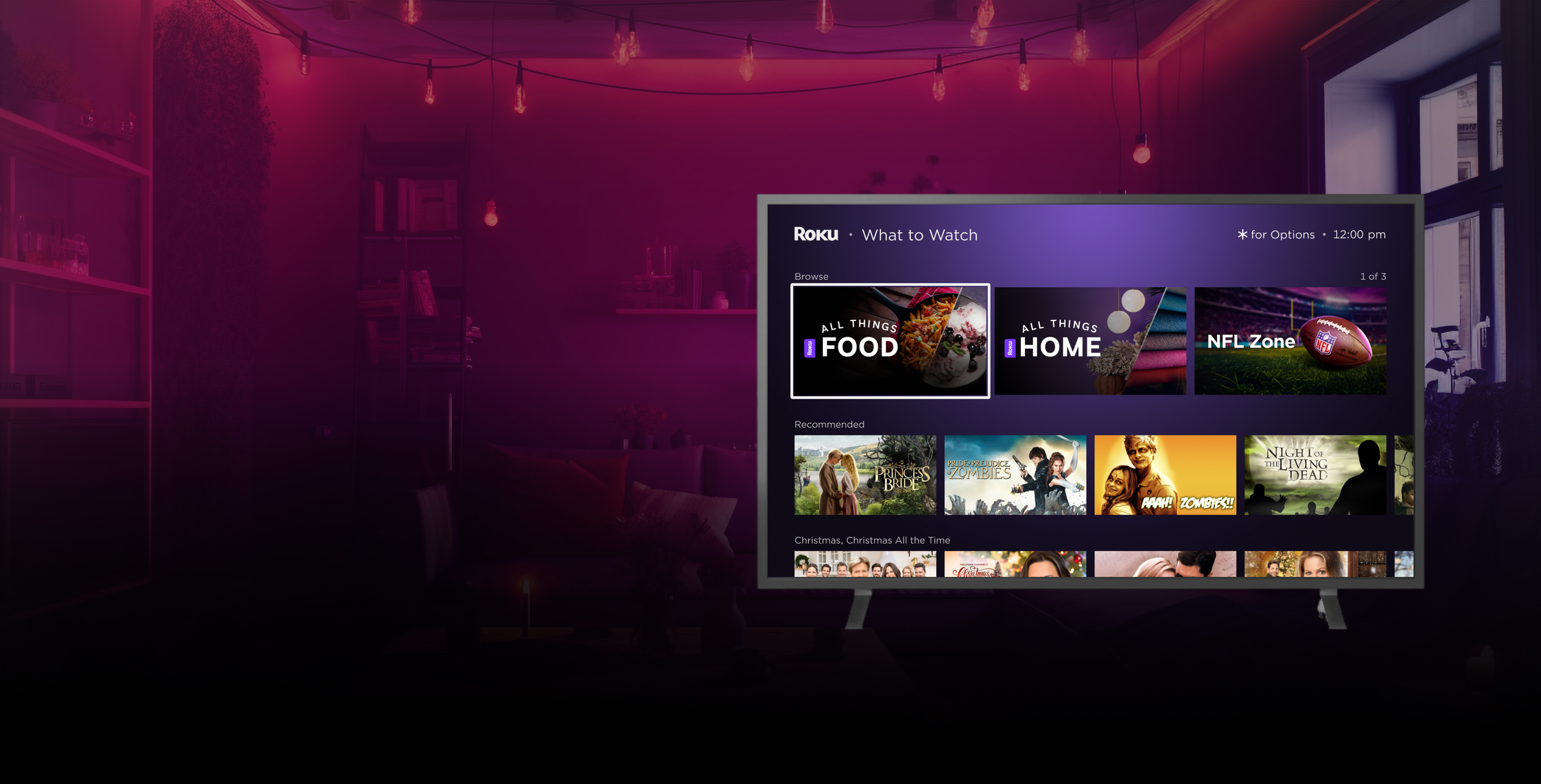
AI-Generated Images 🤖
Designing a scalable system for AI-assisted creative production
(View on desktop for best experience)
Company
Roku
Team
Designer (My role)
UI Engineers
Backend Engineers
Project Manager
Product Manager
Merchandising
Copywriter
Users
Merchandising
Timeline
June 2024 - March 2025
Overview
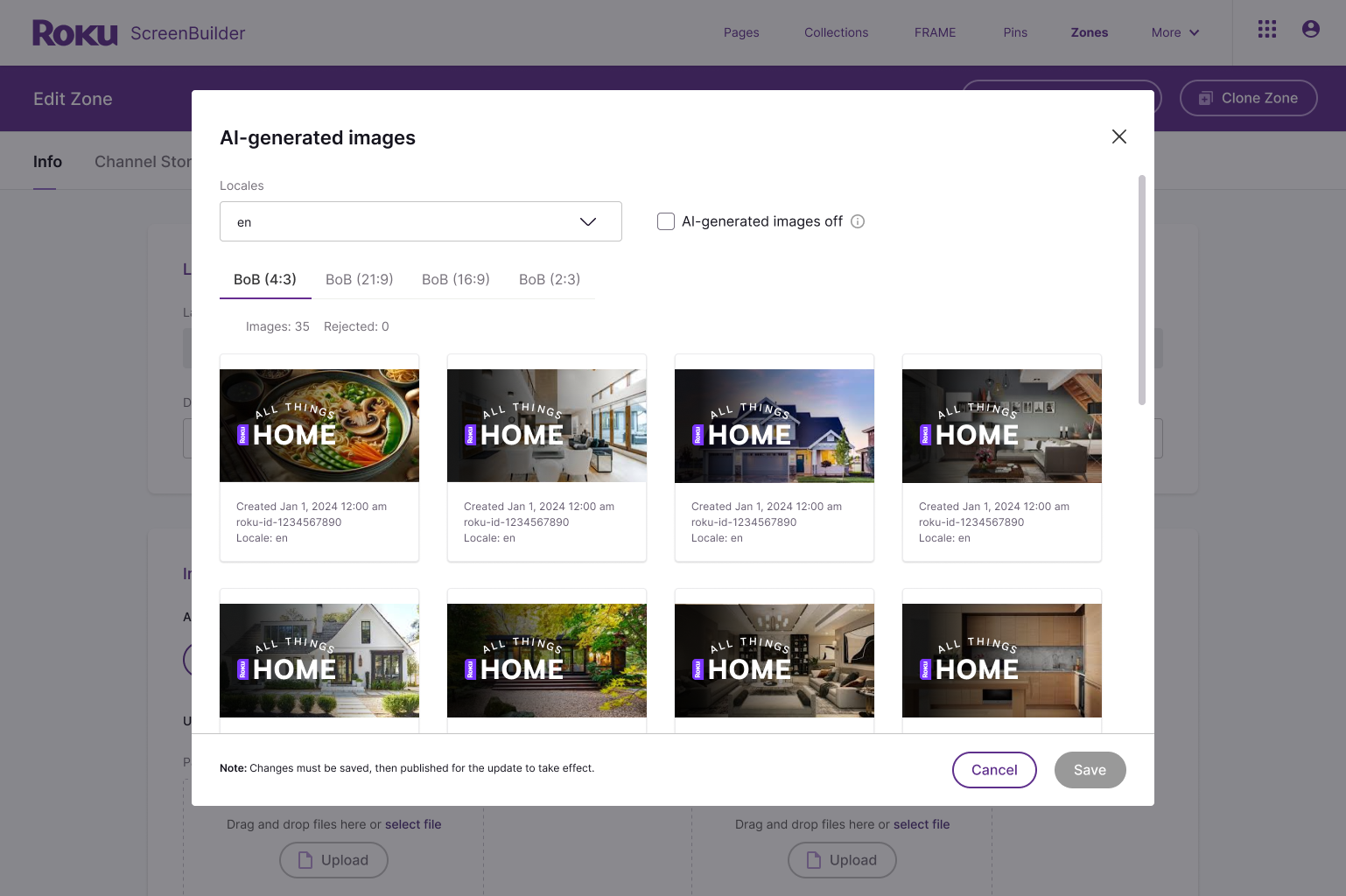
AI Generated Images is an internal platform that enables teams to create, review, and ship AI-assisted visuals at scale. It lives within a broader creative ecosystem that includes merchandising teams, designers, and emerging AI infrastructure.
I helped design the system that turned experimental AI image generation into a structured, trusted workflow that balanced creative flexibility with quality, governance, and operational confidence.

Rather than functioning as a standalone feature, this product operates as creative infrastructure, supporting how images are generated, refined, reviewed, and approved before reaching production surfaces.
Problem Space
As interest in AI-generated visuals grew, teams began experimenting across different tools and workflows. Without a shared system, this led to several challenges:
No standardized process for generating or refining AI images
Inconsistent quality and unclear ownership
Concerns around brand safety, accuracy, and trust
Manual handoffs between tools and teams
Limited visibility into iteration history and decisions
Without a system, AI experimentation was fragmented and risky, making it difficult to scale responsibly.


Design Goal
The goal was to create a system that allowed teams to explore AI-assisted creativity while maintaining confidence in what shipped. This meant designing a workflow that:
Encouraged experimentation
Made quality and approval expectations explicit
Scaled across teams and use cases
Fit naturally into existing creative processes
The challenge was not how to generate images, but how to operationalize AI in a way teams could trust.
Design Principles
🤝 Human-guided AI
AI should support creative decision-making, not replace it.
🔄 Design for iteration
Creative work is nonlinear, and the system should support exploration without penalty.
👁️ Make trust visible
Users need clarity around how images are generated, reviewed, and approved.
🏗️ Scale through structure
Clear workflows and guardrails enable speed rather than slow it down.

Research & Discovery
I partnered closely with internal teams to understand how AI experimentation fit into existing creative workflows and where hesitation emerged.
Key insights included:
Teams were open to using AI, but lacked confidence in the process
Unclear expectations made approval and review feel risky
Iteration was happening, but not in a way that was visible or reusable
This reframed the work from introducing AI tooling to designing a workflow that made AI usage reliable and repeatable.
The Solution
1. A structured image lifecycle
The system supports a clear progression from prompt creation to image generation, review, refinement, and approval.
This replaced ad-hoc experimentation with a workflow teams could rely on and repeat.
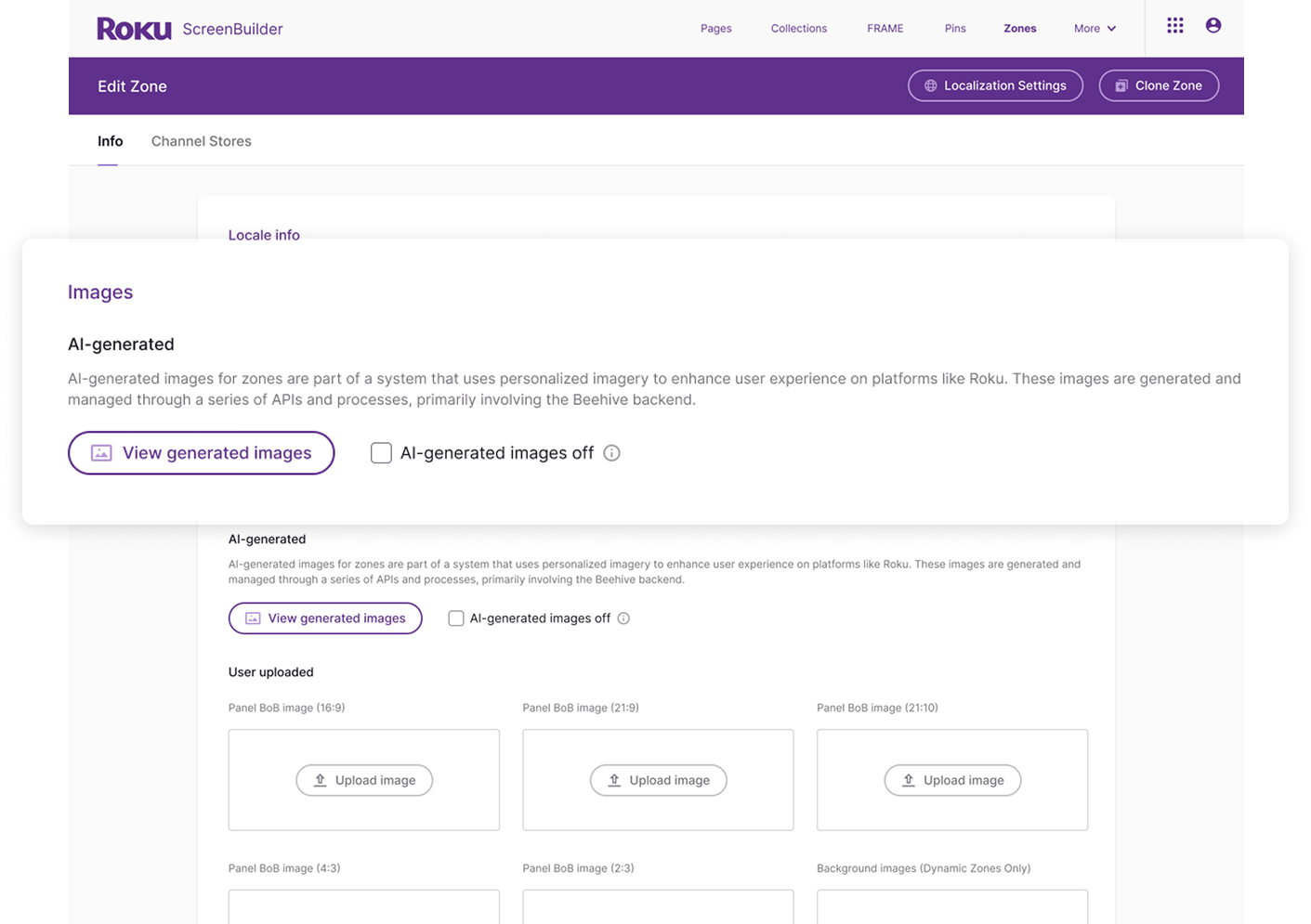
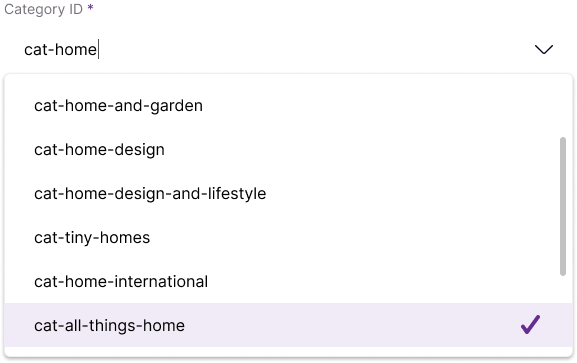
The workflow requires users to enter key fields, including zone and/or category IDs, ensuring assets are correctly associated with Beehive, the Roku Channel’s centralized tool for storing and retrieving titles and images.
These images are generated and managed through a series of APIs and processes, primarily involving the Beehive backend.
3. Designed for Iteration
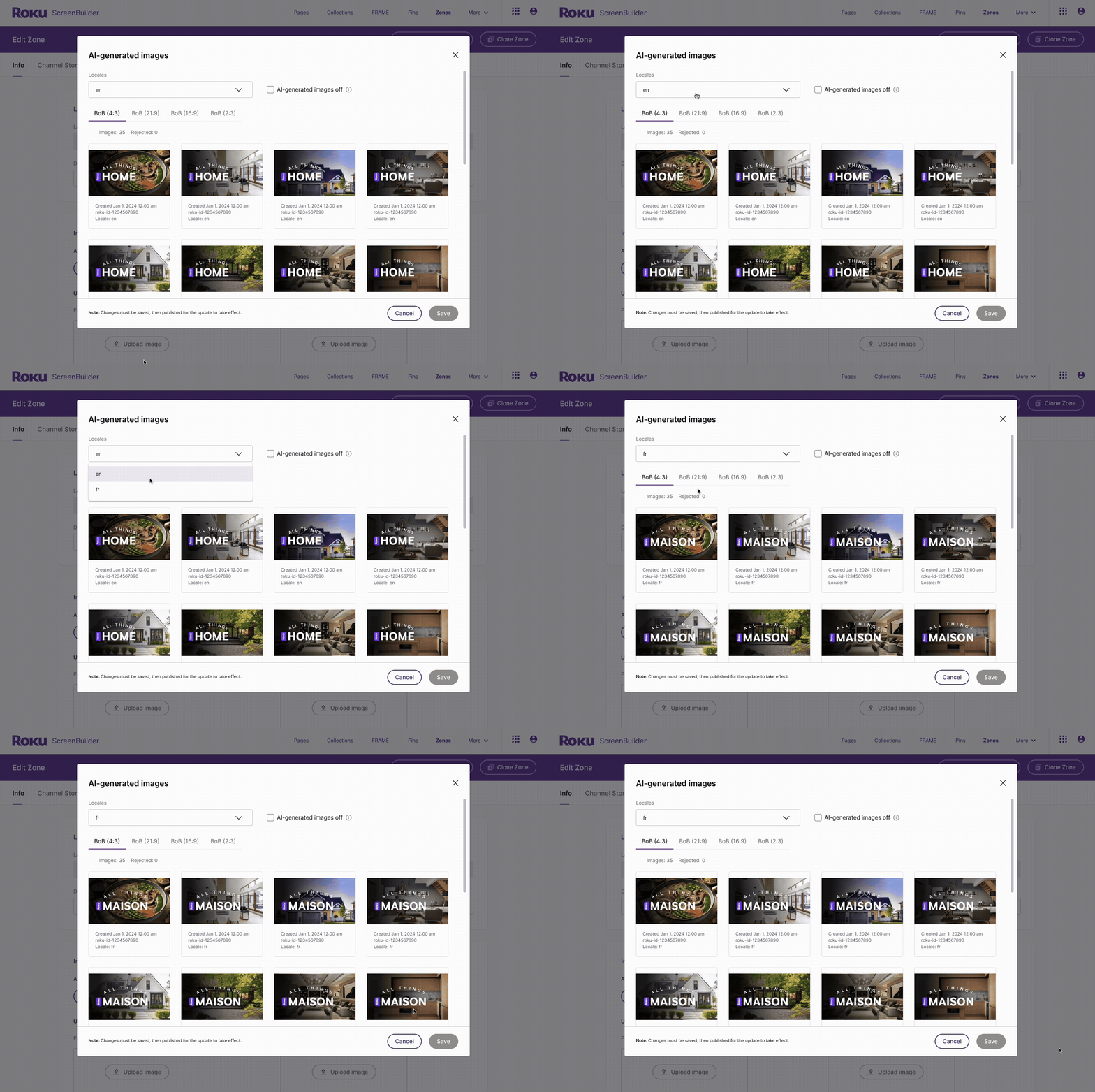
Teams could explore multiple variations, compare outputs, and refine their work without starting over.
This made experimentation intentional rather than disposable.
4. Cross-team alignment
By making expectations explicit, the system created shared understanding between creators, reviewers, and stakeholders.
This alignment was essential for scaling AI-generated imagery beyond early adopters.
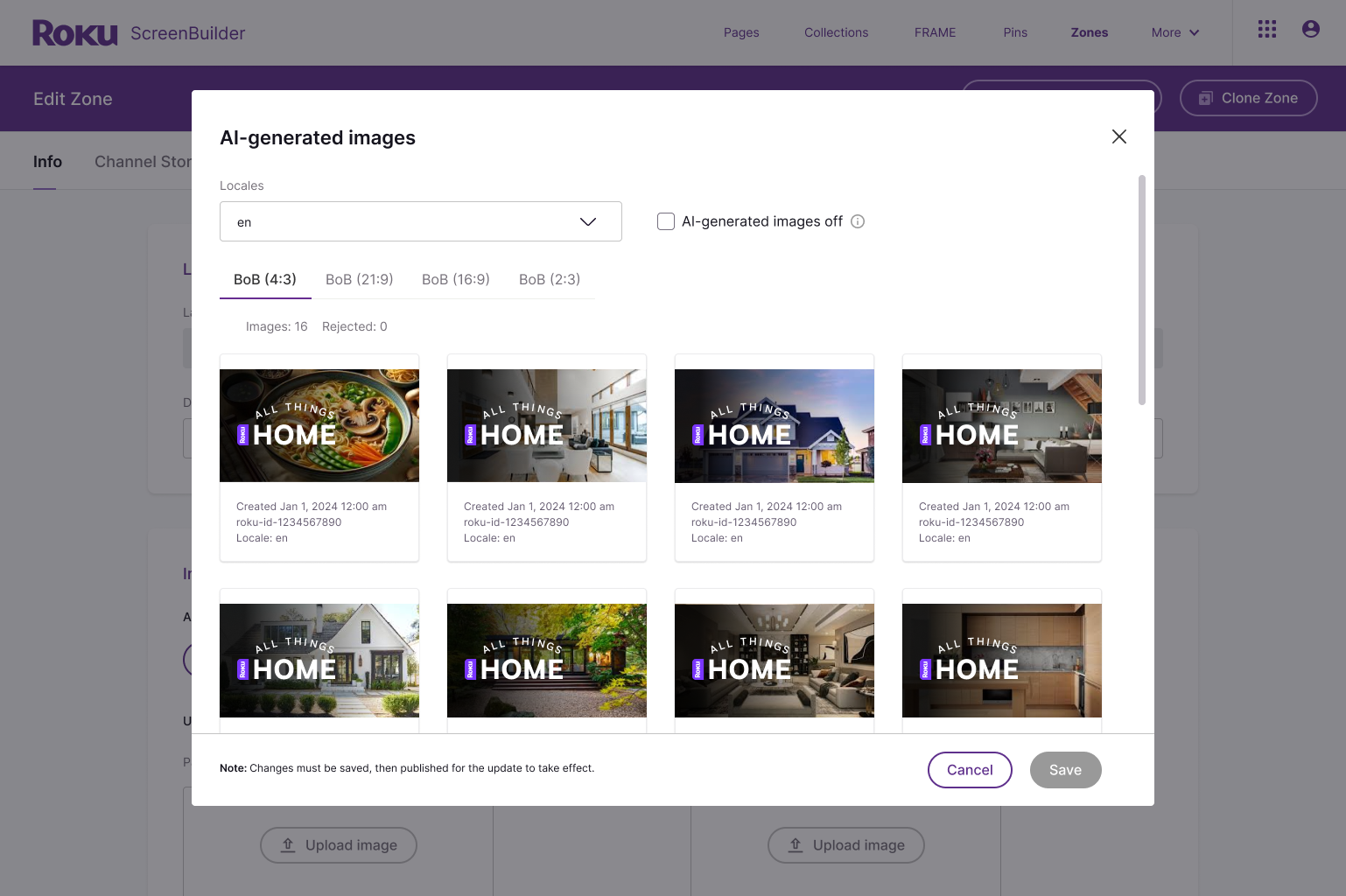
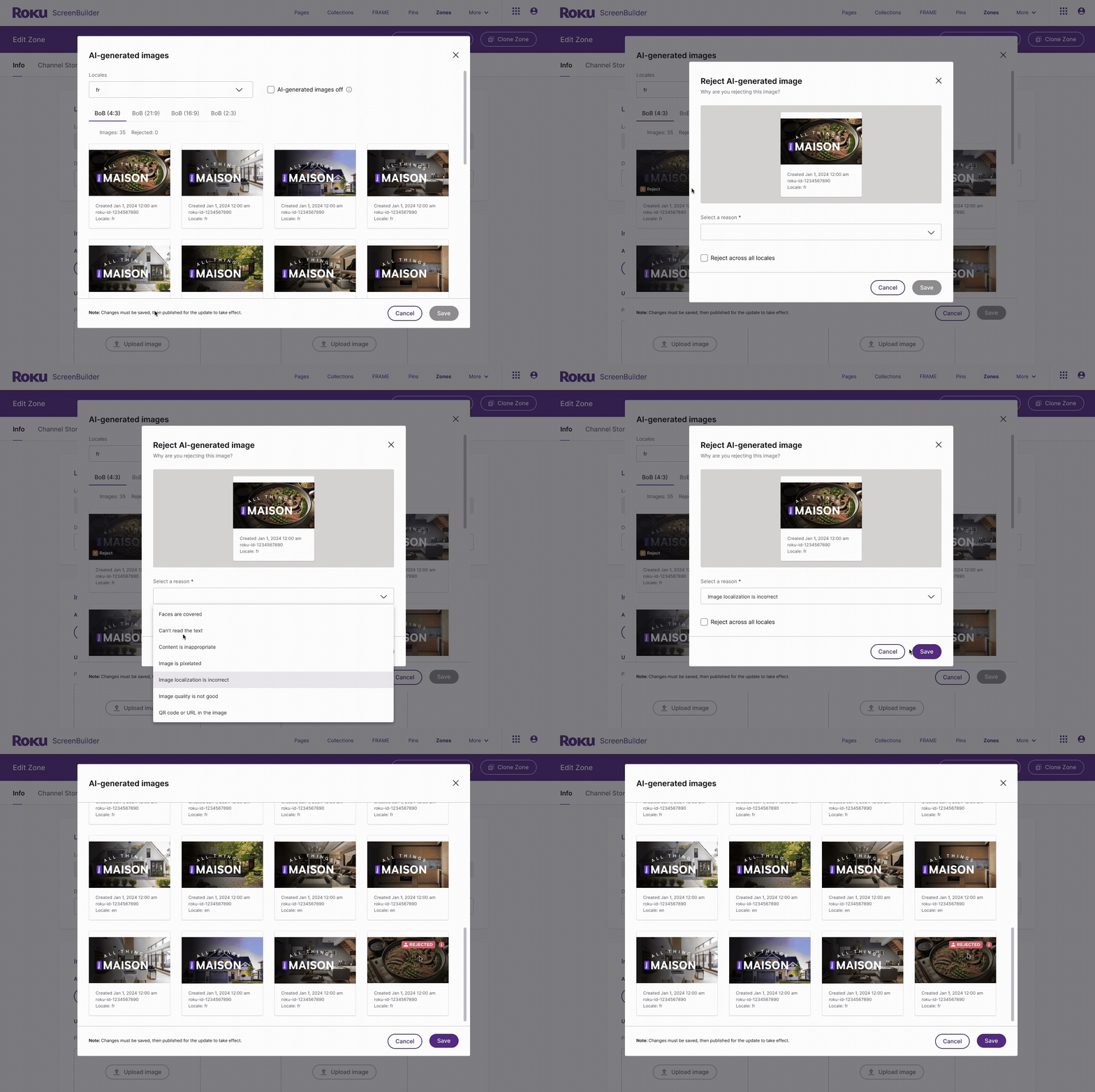
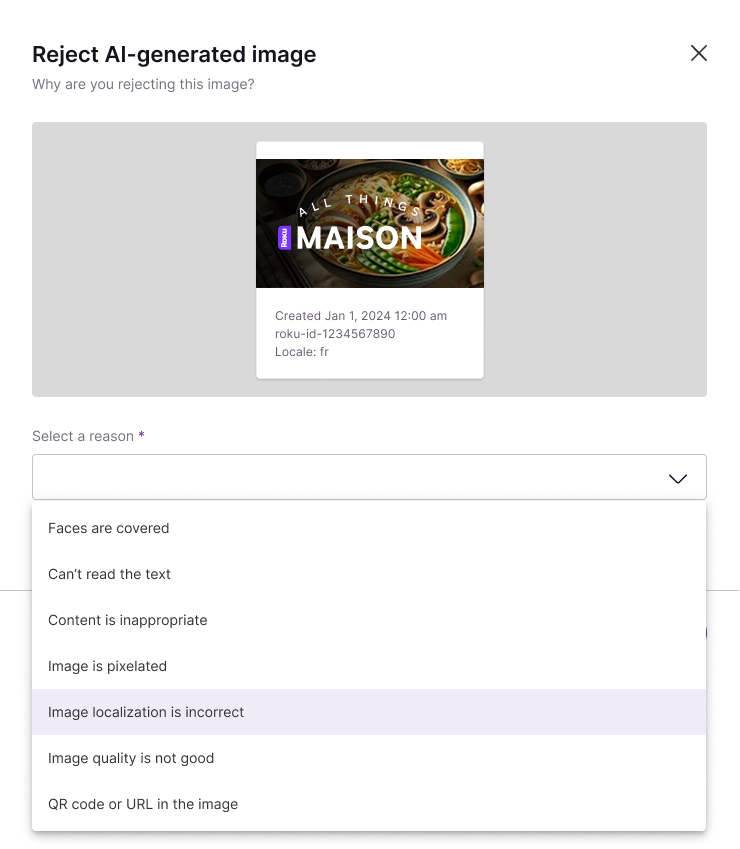
2. Guardrails that support creativity
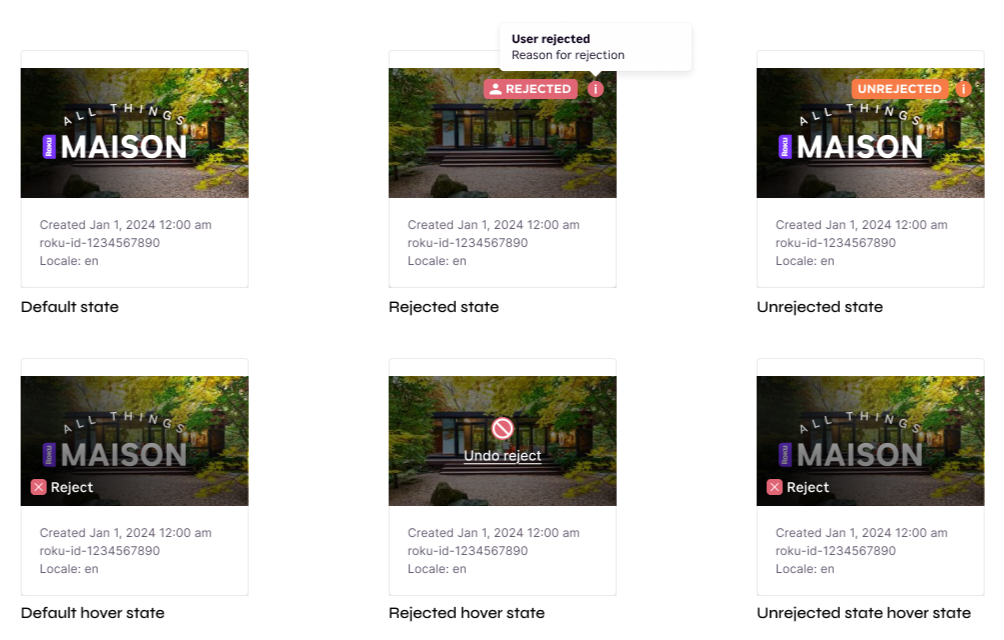
The platform makes approval states explicit by surfacing clear status indicators for generated images, including approved, rejected, and unrejected states. This allows teams to experiment freely while maintaining shared understanding around quality, ownership, and readiness to ship.

Impact
While the platform continued to evolve, early outcomes included:
Increased confidence in using AI-generated assets
Reduced friction between creation and approval
Clearer ownership and accountability
A foundation for scaling AI-assisted creativity responsibly
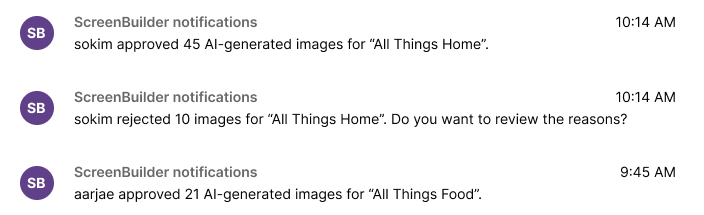
Significant engagement increased for All Things Home, stream rate +20.04%, DSD (Direct Stream Digital) +15.75%, SH (Streaming Hours) +21.25%, and visits +28.49%
The Browse Row on the Homepage, where these lifestyle destinations are featured, also show significant performance improvements as well. Browse Row DSD +8.30%, Unique Viewer Rate +10.50%, and Account Click Rate +8.49%
What’s next?
With more time, I would focus on:
Adding measurement to understand iteration patterns and quality outcomes
Evolving governance as AI capabilities and usage grow
Exploring deeper integrations with upstream creative tools